Car Pulls to One Side When Braking: Causes and Fixes
If your car pulls to one side when braking, it means braking force is not being applied evenly across all wheels. Instead of slowing down in a straight line, the vehicle drifts left or right and you have to correct the steering to keep it straight. This is more than an annoyance. It is a clear safety issue that can affect control in normal driving and becomes more serious in emergency stops.
In many cases, the pull develops gradually. You may notice a slight drift at first, then a stronger pull as the problem gets worse. In other cases, it can appear suddenly after brake work, a fluid issue, or a component failure. The direction of the pull usually stays consistent, which is a helpful clue when diagnosing the cause.
Most causes are related to the braking system itself, but suspension, tires, and alignment can also play a role. Understanding the difference helps you fix the problem quickly and avoid unnecessary parts replacement.
What this problem usually feels like
When you press the brake pedal, the car begins to drift to one side without any steering input. You may feel the steering wheel tug slightly in that direction, or you may simply notice the car changing direction as it slows.
At low speeds, the pull may be mild and easy to correct. At higher speeds, especially when braking from 50 to 70 mph, the pull can feel stronger and more unsettling. In severe cases, the car can feel unstable or unpredictable, especially during sudden stops.
If the pull is always in the same direction, that typically means one side of the braking system is applying more force than the other. If the direction changes, the issue may be more complex and involve multiple components.
What causes a car to pull to one side when braking?
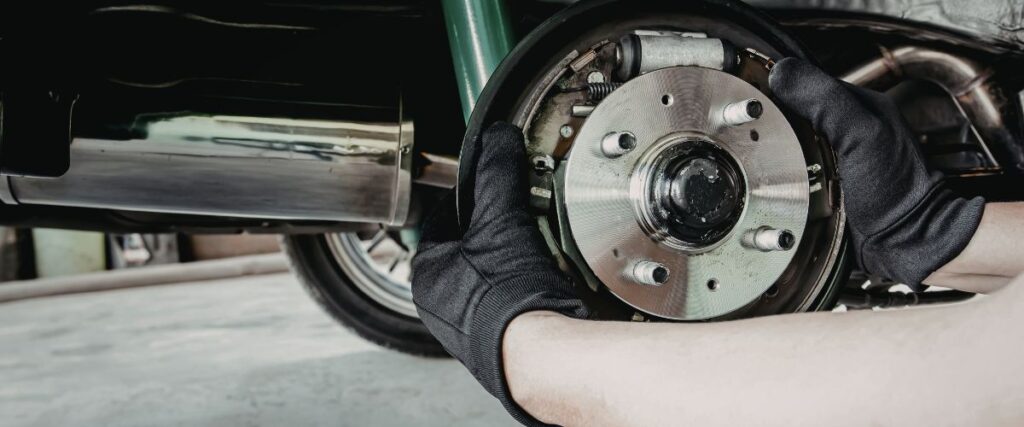
Sticking or seized brake caliper
The most common cause is a brake caliper that is not moving freely. A caliper should apply pressure evenly and release smoothly. If it sticks, it may either apply too much pressure or not enough.
If one caliper applies more force than the other, the car will pull toward that side. If one side is weaker, the car will pull toward the stronger side. Either way, braking becomes uneven and directional control is affected.
This issue can develop from corrosion, lack of lubrication, or worn internal components.
Uneven brake pad wear
Brake pads should wear evenly on both sides of the vehicle. If one side is more worn than the other, it may not create the same level of friction. This results in uneven braking force and causes the car to drift.
Uneven wear can also be a sign of a caliper problem or improper installation.
Brake fluid pressure imbalance
Your braking system relies on hydraulic pressure. If there is air in the brake lines, a small leak, or degraded fluid, pressure may not be distributed evenly. This can lead to one side braking harder than the other.
Brake fluid absorbs moisture over time, which can reduce its effectiveness and contribute to inconsistent pressure.
Contaminated brake pads or rotors
If oil, grease, or brake fluid gets onto the braking surface, it reduces friction on that side. This means one side of the car will brake less effectively, causing the car to pull.
This often happens after a leak or improper handling during repairs.
Suspension component wear
Suspension parts such as control arms, bushings, and ball joints help keep the wheels stable. If these components are worn, they can allow movement during braking that exaggerates the pull.
Even if the braking system is functioning correctly, worn suspension can make the problem more noticeable.
Alignment and tire issues
Poor alignment or uneven tire wear can contribute to pulling, especially when combined with braking issues. While alignment alone rarely causes braking pull, it can make it worse.
Tire pressure differences between left and right sides can also create or exaggerate the effect.
How to diagnose the issue yourself
You can often narrow down the cause by observing how the car behaves during braking.
- Notice which direction the car pulls every time you brake
- Check whether the pull is stronger at higher speeds
- Look for uneven tire wear on one side
- Pay attention to how the brake pedal feels
- Think about recent brake work or fluid changes
If the pull is consistent and always in the same direction, the issue is likely on that side of the vehicle. If it happens only during braking and not while driving, the braking system is the primary suspect.
How to fix the problem
Repair or replace the brake caliper
If a caliper is sticking or seized, it should be repaired or replaced. This is often the most direct fix for uneven braking force.
Replace brake pads in pairs
Brake pads should always be replaced on both sides at the same time. This ensures equal braking force and prevents imbalance.
Flush and replace brake fluid
Old or contaminated fluid should be flushed and replaced. This restores proper hydraulic pressure and improves consistency.
Clean or replace contaminated components
If brake pads or rotors are contaminated, they may need to be cleaned or replaced to restore proper friction.
Inspect suspension components
If the problem persists, worn suspension parts should be checked and replaced if needed. This helps stabilize the vehicle during braking.
Check alignment and tire condition
Proper alignment and even tire wear help maintain straight braking. Correcting these issues can reduce pulling and improve overall handling.
How this problem gets worse over time
Pulling during braking rarely improves on its own. Over time, uneven brake wear becomes more pronounced. The difference in braking force increases, making the pull stronger and more noticeable.
Additional stress on suspension components can lead to further wear. Tires may also wear unevenly, which adds to the problem. If left untreated, the car can become harder to control during braking.
Addressing the issue early helps prevent additional damage and reduces repair costs.
Why this is a safety issue
This problem directly affects your ability to maintain control while braking. In emergency situations, the car may veer unexpectedly, making it harder to stop safely or avoid obstacles.
Uneven braking also increases stopping distance and reduces driver confidence. This is especially dangerous at higher speeds or in wet conditions.
Is it safe to drive?
If the pull is very mild, the car may still be drivable for short distances. However, it should not be ignored. If the pull is strong, getting worse, or affecting control, the car should be inspected immediately.
Driving long distances with this issue increases wear and can make the problem more expensive to fix.
When to see a mechanic
- The car pulls strongly when braking
- The issue is getting worse over time
- The steering wheel feels unstable
- You notice uneven tire or brake wear
- Braking performance feels inconsistent
Estimated repair cost
- Brake caliper repair or replacement: $150 to $400
- Brake pads: $100 to $300
- Brake fluid flush: $100 to $200
- Suspension repair: $200 and up
How to prevent this issue
- Replace brake pads evenly on both sides
- Inspect calipers regularly
- Keep brake fluid clean and fresh
- Maintain proper tire pressure
- Address small braking issues early
Common mistakes people make
- Ignoring early pulling symptoms
- Replacing only one side of the brakes
- Assuming alignment is the only cause
- Delaying inspection and repairs
How this differs from other braking issues
- Pulling = uneven braking force
- Pulsation = uneven rotor surface
- Grinding noise = worn brake pads
- Soft pedal = hydraulic pressure issue
Quick summary
- Pulling during braking is caused by uneven braking force
- Sticking calipers and uneven pads are common causes
- The issue can worsen over time if ignored
- Fixing early improves safety and control