Car Shakes at Idle: Causes and Fixes
If your car shakes at idle, it usually means the engine is not running as smoothly as it should when the vehicle is stopped. You may notice this when sitting at a red light, parked with the engine running, or waiting in traffic. The vibration can feel subtle at first, then become more noticeable over time.
Unlike shaking at high speed or during braking, idle vibration happens when the engine is under minimal load. That makes it easier to isolate the problem, because fewer systems are involved. In most cases, the issue comes from engine performance, airflow, or mounting components.
The good news is that many idle vibration problems are relatively easy to diagnose and fix if you catch them early. Ignoring the issue, however, can lead to reduced performance, increased wear, and more expensive repairs later on.
What this problem usually feels like
When a car shakes at idle, the vibration is often felt through the steering wheel, the seat, or the floor of the car. Some drivers notice the dashboard or mirrors vibrating slightly as well. The shaking may be steady or may come and go in waves.
In mild cases, the engine may feel slightly rough but still run normally. In more noticeable cases, the car may feel like it is struggling to maintain a smooth idle, especially when the air conditioning is on or when the engine is cold.
One key detail is that the vibration often disappears or becomes less noticeable once you start driving. This helps distinguish idle issues from problems that occur at speed or during acceleration.
What causes a car to shake at idle?
Worn spark plugs
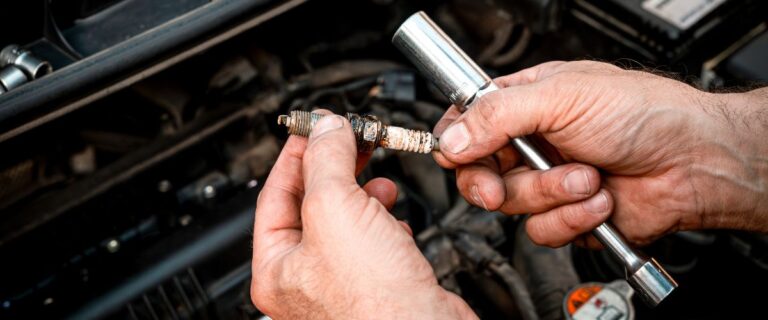
Spark plugs are responsible for igniting the fuel in the engine. If they are worn or not firing correctly, the engine may misfire slightly. At idle, this can cause the engine to run unevenly, leading to vibration.
Dirty or clogged fuel injectors
If fuel injectors are dirty, they may not deliver fuel evenly to each cylinder. This can cause the engine to run rough at idle, even if it feels normal at higher speeds.
Dirty throttle body
The throttle body controls airflow into the engine. If it becomes dirty, airflow may not be smooth or consistent. This can cause unstable idle and shaking.
Vacuum leaks
Engines rely on proper air pressure to function correctly. A vacuum leak allows extra air into the system, disrupting the balance between air and fuel. This often causes rough idle and vibration.
Worn engine mounts
Engine mounts are designed to absorb vibration and keep the engine stable. If they wear out or break, engine vibrations are transferred directly into the car, making shaking more noticeable at idle.
Low or uneven engine compression
If one cylinder is not producing as much power as the others, the engine may not run smoothly. This can lead to noticeable vibration when idling.
Faulty sensors
Sensors such as the mass airflow sensor or oxygen sensor help regulate engine performance. If they are not working correctly, the engine may not maintain a stable idle.
How to diagnose the issue yourself
You can narrow down the cause by paying attention to patterns in how the car behaves.
- Notice if the shaking happens only at idle
- Check if it improves when driving
- Pay attention to engine sound and smoothness
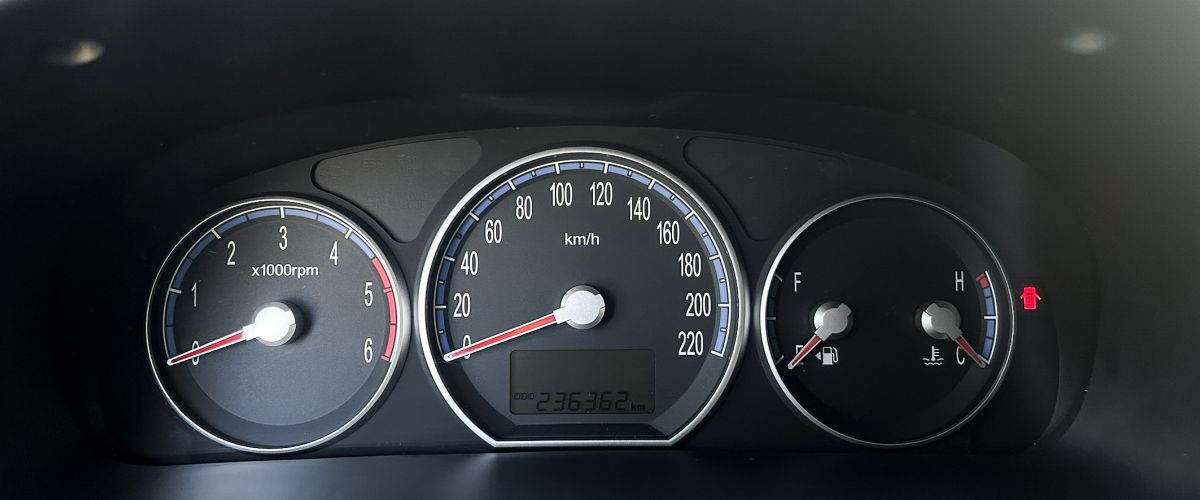
- Look for warning lights on the dashboard
- See if the vibration changes when using air conditioning
If the engine feels rough and uneven at idle but smooth when driving, the issue is likely related to engine performance rather than tires or suspension.
How to fix the problem
Replace spark plugs
Worn spark plugs are one of the most common causes of rough idle. Replacing them can restore smooth engine operation.
Clean fuel injectors
Using a fuel injector cleaner or having injectors professionally cleaned can improve fuel delivery and reduce vibration.
Clean the throttle body
Removing buildup from the throttle body can help restore proper airflow and stabilize idle.
Fix vacuum leaks
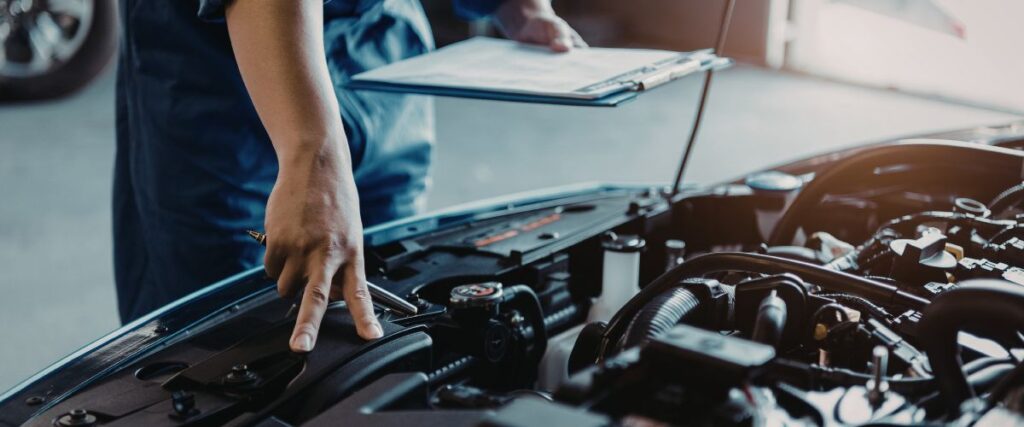
Vacuum leaks can be difficult to spot but are a common cause of rough idle. A mechanic can test for leaks and repair them.
Replace engine mounts
If engine mounts are worn, replacing them will reduce vibration felt inside the car.
Check sensors
If sensors are faulty, replacing them can help restore proper engine control and smooth idle.
How this problem gets worse over time
Idle vibration often starts small and becomes more noticeable over time. Misfires can become more frequent, airflow problems can worsen, and engine mounts can deteriorate further.
If left untreated, the engine may begin to run less efficiently, leading to reduced fuel economy and increased wear on internal components. In some cases, the issue can eventually affect performance while driving, not just at idle.
Fixing the problem early helps prevent additional damage and keeps the car running smoothly.
Why this is a safety issue
While idle vibration may seem minor, it can indicate underlying engine problems. If the engine is not running smoothly, it may not respond properly when you accelerate. This can affect reliability and overall driving safety.
In more severe cases, the engine may stall, which can be dangerous in traffic situations.
Is it safe to drive?
If the shaking is mild and only happens at idle, the car may still be drivable. However, it should not be ignored. If the engine feels rough or unstable, the issue should be inspected soon.
If the car stalls or struggles to maintain idle, it should be checked immediately.
When to see a mechanic
- The shaking gets worse over time
- The engine misfires or stalls
- You see warning lights
- The car runs rough even while driving
- The vibration becomes strong or constant
Estimated repair cost
- Spark plugs: $100 to $300
- Fuel injector cleaning: $100 to $300
- Throttle body cleaning: $100 to $250
- Engine mounts: $200 to $600
- Sensor replacement: $150 to $400
How to prevent this issue
- Keep up with regular maintenance
- Replace spark plugs as recommended
- Use quality fuel
- Inspect engine mounts periodically
- Address small issues early
Common mistakes people make
- Ignoring mild idle vibration
- Assuming it is normal for older cars
- Skipping basic maintenance
- Waiting until the problem gets worse
How this differs from other shaking issues
Idle shaking is different from vibration at speed or during braking. It happens when the car is not moving and is usually tied directly to engine performance.
- Idle shaking = engine performance issue
- High speed vibration = tire or wheel issue
- Braking vibration = rotor or brake issue
- Acceleration shaking = drivetrain or engine load issue
Quick summary
- Shaking at idle is usually caused by engine or airflow problems
- Spark plugs, injectors, and mounts are common causes
- The issue often starts small and gets worse over time
- Fixing it early prevents larger repairs