Car Hesitates When Accelerating: Causes and Fixes
If your car hesitates when accelerating, it means the engine is not responding smoothly when you press the gas pedal. Instead of a steady increase in speed, you may feel a delay, a brief loss of power, or a moment where the car struggles before finally accelerating. This can feel frustrating and, in some situations, unsafe, especially when merging onto highways or passing other vehicles.
This issue can happen at low speeds, during normal driving, or under heavy acceleration. Sometimes it appears occasionally, while in other cases it becomes more consistent over time. Understanding what causes hesitation helps you fix the problem quickly and avoid more serious engine damage.
What this problem usually feels like
When you press the gas pedal, the car does not respond immediately. There may be a noticeable delay before the engine picks up speed. In some cases, the car may feel like it briefly loses power before accelerating.
You might also notice a slight jerking motion, especially when accelerating from a stop or when increasing speed quickly. The hesitation can feel subtle at first, but it often becomes more noticeable as the underlying issue worsens.
This problem is different from shaking or vibration. Hesitation is about delayed response rather than physical movement in the vehicle.

What causes a car to hesitate when accelerating?
Dirty or faulty mass airflow sensor
The mass airflow sensor measures how much air is entering the engine. This information helps the engine control unit determine how much fuel to inject. If the sensor is dirty or malfunctioning, the air-fuel mixture can become unbalanced, leading to hesitation.
This is one of the most common causes and is often relatively easy to fix.
Clogged fuel injectors
Fuel injectors deliver fuel into the engine. If they become clogged or dirty, they may not supply the correct amount of fuel. This can cause delayed acceleration and uneven performance.
Over time, buildup from fuel can reduce injector efficiency, especially if low-quality fuel is used.
Weak fuel pump
The fuel pump supplies fuel from the tank to the engine. If it is weak or failing, it may not deliver enough fuel under acceleration. This can result in hesitation, especially when trying to speed up quickly.
Dirty air filter
The engine needs clean air to operate efficiently. A clogged air filter restricts airflow, which can affect combustion and lead to hesitation. This is a simple issue that is often overlooked.
Worn spark plugs
Spark plugs ignite the air-fuel mixture in the engine. If they are worn or dirty, they may not ignite the mixture consistently. This can cause hesitation, misfires, and reduced performance.
Throttle body issues
The throttle body controls how much air enters the engine when you press the gas pedal. If it is dirty or malfunctioning, it can restrict airflow and delay engine response.
Transmission problems
In some cases, hesitation may be related to the transmission rather than the engine. If the transmission is slipping or not shifting properly, it can create a delay in acceleration.
How to diagnose the issue yourself
You can identify patterns in the hesitation to narrow down the cause.
- Notice when the hesitation occurs, such as from a stop or at higher speeds
- Check if the issue happens consistently or only occasionally
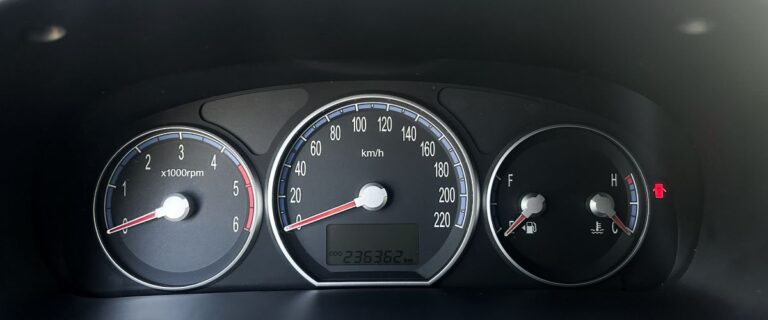
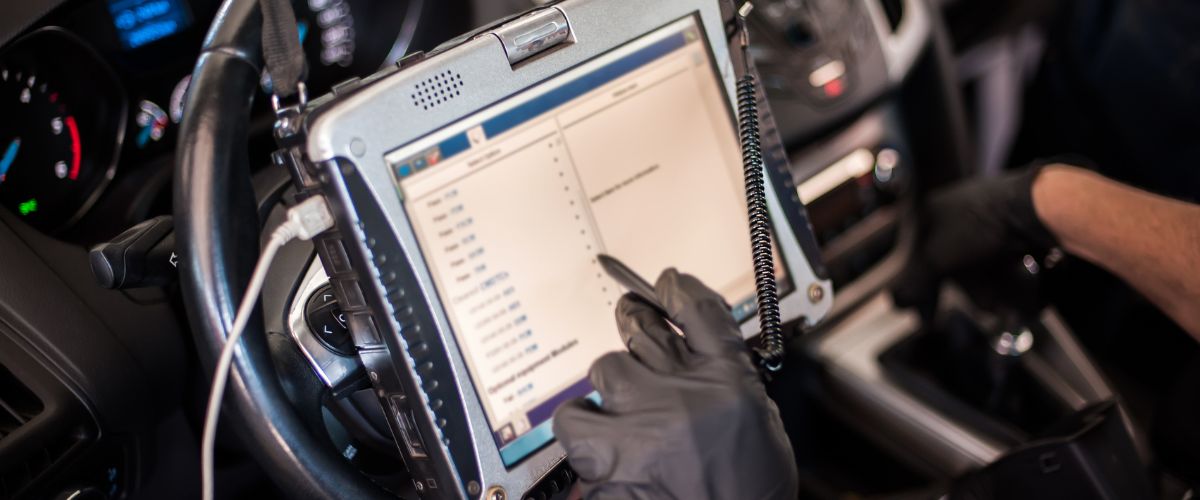
- Pay attention to any warning lights on the dashboard
- Think about when the problem started and whether any maintenance was done recently
- Listen for unusual engine sounds during acceleration
If hesitation happens mainly during hard acceleration, the fuel system is often the cause. If it occurs at all speeds, sensors or airflow issues may be involved.
How to fix the problem
Clean or replace the mass airflow sensor
If the sensor is dirty, cleaning it can restore proper readings. If it is faulty, replacing it may be necessary.
Clean fuel injectors
Using a fuel injector cleaner or having them professionally cleaned can improve fuel delivery and reduce hesitation.
Replace the fuel pump
If the fuel pump is weak, replacing it ensures the engine receives adequate fuel under all conditions.
Replace the air filter
A clean air filter allows proper airflow and improves engine performance.
Replace spark plugs
New spark plugs restore consistent ignition and improve acceleration response.
Clean the throttle body
Removing buildup from the throttle body helps improve airflow and engine response.
How this problem gets worse over time
Hesitation often starts as a minor inconvenience but can become more noticeable if ignored. Fuel system issues can worsen, leading to more frequent hesitation or even stalling. Sensor problems can cause the engine to run inefficiently, increasing fuel consumption and reducing performance.
Over time, unresolved hesitation can lead to additional wear on engine components and potentially more expensive repairs.
Why this is a safety issue
Hesitation can be dangerous in situations where quick acceleration is needed, such as merging onto highways or avoiding obstacles. A delayed response from the engine can reduce your ability to react quickly.
Is it safe to drive?
If the hesitation is mild and occasional, the car may still be drivable. However, it should be inspected as soon as possible. If the hesitation is severe or getting worse, it is best to avoid driving until the issue is resolved.
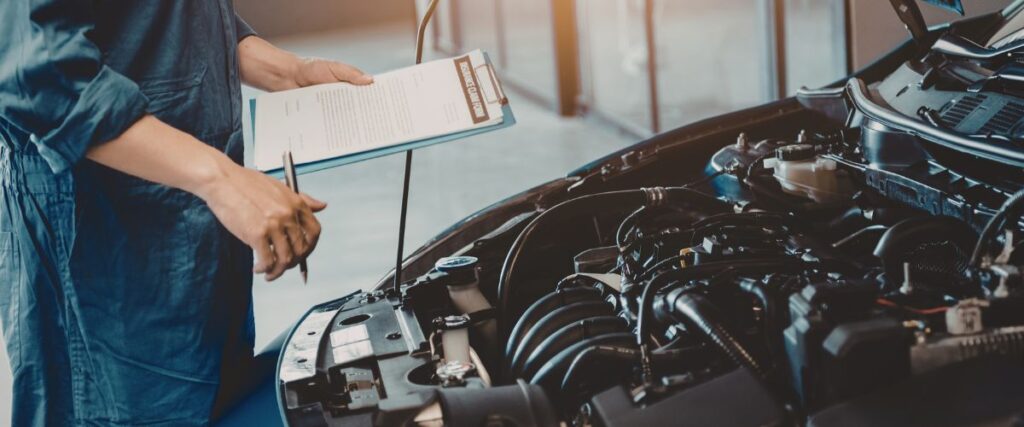
When to see a mechanic
- The hesitation is frequent or worsening
- The engine loses power during acceleration
- A warning light appears
- The car jerks or stalls
- Fuel efficiency decreases noticeably
Estimated repair cost
- Mass airflow sensor cleaning or replacement: $50 to $300
- Fuel injector cleaning: $100 to $300
- Fuel pump replacement: $300 to $800
- Air filter replacement: $20 to $50
- Spark plug replacement: $100 to $300
How to prevent this issue
- Replace air filters regularly
- Use high-quality fuel
- Maintain fuel system components
- Replace spark plugs as recommended
- Address small performance issues early
Common mistakes people make
- Ignoring early signs of hesitation
- Using low-quality fuel
- Skipping routine maintenance
- Assuming the issue will resolve itself
How this differs from other acceleration issues
- Hesitation = delayed response
- Jerking = sudden movement
- Shaking = vibration
- Loss of power = reduced performance
Quick summary
- Hesitation is caused by fuel, air, or ignition issues
- Sensors and fuel delivery are common causes
- The problem can worsen over time if ignored
- Fixing early improves performance and safety