Car Shakes When Idling Cold: Causes and Fixes
If your car shakes when idling cold, it usually means the engine is not running smoothly when it first starts. This shaking often happens during the first few minutes after turning the car on, especially in colder weather. Once the engine warms up, the shaking may reduce or disappear completely.
This issue is common and is usually related to how the engine manages fuel, air, and ignition during startup. When the engine is cold, it requires a richer air-fuel mixture and precise timing to run smoothly. If any part of that process is off, the engine can feel rough or unstable.
While mild shaking during cold starts can sometimes be normal, noticeable or worsening vibration is usually a sign that something needs attention.
What this problem usually feels like
When you start the car, the engine may feel rough or uneven. You might notice shaking through the steering wheel, the seat, or the entire vehicle.
The shaking is often most noticeable when the car is stationary and idling. As the engine warms up, the vibration usually decreases and the engine begins to run more smoothly.
In some cases, the engine may sound slightly louder or less consistent during cold starts.
What causes a car to shake when idling cold?
Engine misfire during cold start
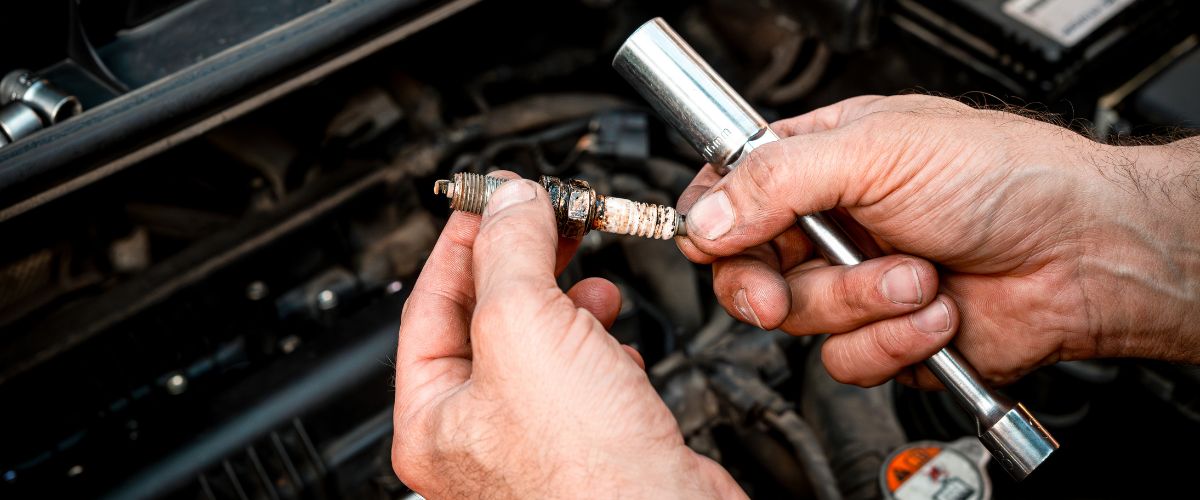
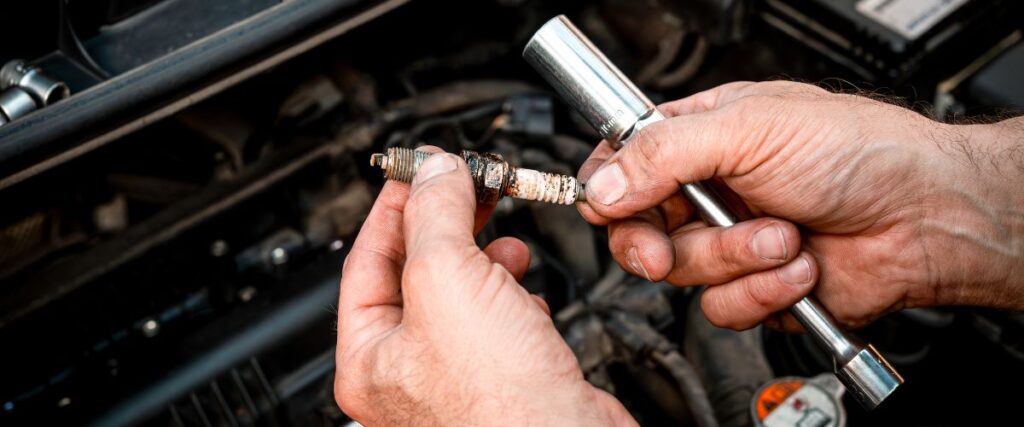
One of the most common causes is a misfire. When the engine is cold, it is more sensitive to ignition issues. Worn spark plugs or faulty ignition coils may not ignite the fuel mixture properly, leading to uneven engine operation.
Dirty fuel injectors
Fuel injectors deliver fuel into the engine. If they are dirty or clogged, they may not provide the correct amount of fuel during startup, causing rough idling.
Faulty mass airflow sensor
The mass airflow sensor helps regulate the air-fuel mixture. If it is dirty or malfunctioning, the engine may not receive the correct mixture, especially during cold starts.
Idle air control valve issues
The idle air control valve helps regulate engine speed when idling. If it is not functioning properly, the engine may struggle to maintain a stable idle when cold.
Vacuum leaks
Vacuum leaks allow extra air into the engine, disrupting the air-fuel mixture. This is often more noticeable when the engine is cold.
Worn engine mounts
Engine mounts help absorb vibration. If they are worn, normal engine vibrations may be felt more strongly, especially during cold starts.
Cold weather conditions
Cold temperatures can make engine components less efficient until they warm up. While slight roughness can be normal, excessive shaking usually indicates an underlying issue.
How to diagnose the issue yourself
You can identify patterns in the shaking to help determine the cause.
- Notice how long the shaking lasts after startup
- Check if it disappears when the engine warms up
- Pay attention to engine sound and smoothness
- Look for warning lights
- Consider recent maintenance or fuel quality
If the shaking only happens when cold and disappears quickly, it may be related to fuel or ignition. If it continues even when warm, the issue may be more serious.
How to fix the problem
Replace spark plugs and ignition components
New spark plugs and coils ensure proper ignition and smoother engine operation.
Clean fuel injectors
Cleaning injectors improves fuel delivery and helps stabilize idle.
Clean or replace the mass airflow sensor
This restores accurate air-fuel mixture control.
Replace the idle air control valve
If the valve is faulty, replacing it can stabilize engine idle.
Repair vacuum leaks
Fixing leaks ensures the correct air-fuel balance.
Replace engine mounts
If mounts are worn, replacing them reduces vibration.
How this problem gets worse over time
Shaking during cold starts often becomes more noticeable as components wear further. Misfires may become more frequent, and fuel delivery issues can worsen.
If left untreated, the problem can affect engine performance and lead to additional wear.
Why this is a safety issue
While this issue is usually not immediately dangerous, it can indicate underlying engine problems that may affect reliability.
Addressing it early helps prevent more serious issues.
Is it safe to drive?
If the shaking is mild and disappears quickly, the car may still be safe to drive. However, it should be inspected if the issue becomes more noticeable or persistent.
When to see a mechanic
- The shaking is severe or worsening
- The issue continues after the engine warms up
- You notice misfires or loss of power
- A warning light appears
Estimated repair cost
- Spark plug replacement: $100 to $300
- Fuel injector cleaning: $100 to $300
- Mass airflow sensor replacement: $100 to $300
- Idle air control valve replacement: $150 to $400
How to prevent this issue
- Maintain ignition components
- Use quality fuel
- Keep sensors clean
- Address small issues early
Common mistakes people make
- Ignoring cold start shaking
- Assuming it is normal
- Skipping maintenance
- Delaying repairs
How this differs from other issues
- Cold idle shaking = startup engine issue
- Warm idle shaking = ongoing engine issue
- Driving vibration = tires or wheels
- Acceleration vibration = drivetrain
Quick summary
- Shaking at cold idle is often caused by misfires or fuel issues
- The issue usually improves as the engine warms up
- The problem can worsen over time
- Fixing early improves performance and reliability