Brake Pedal Feels Soft or Spongy: Causes and Fixes
If your brake pedal feels soft or spongy, it usually means the braking system is not building or maintaining proper hydraulic pressure. Instead of a firm, responsive pedal, you may feel the pedal sink more easily toward the floor, or require more effort to stop the car. This is one of the more serious brake-related issues because it directly affects stopping performance.
In normal conditions, the brake pedal should feel solid and consistent. When you press it, the car should respond immediately and predictably. A soft or spongy pedal is a sign that something in the system is not working correctly, and it should be addressed as soon as possible.
This issue can develop gradually or appear suddenly. In some cases, you may notice the pedal becoming softer over time. In others, it may change quickly due to a leak, air in the system, or component failure.
What this problem usually feels like
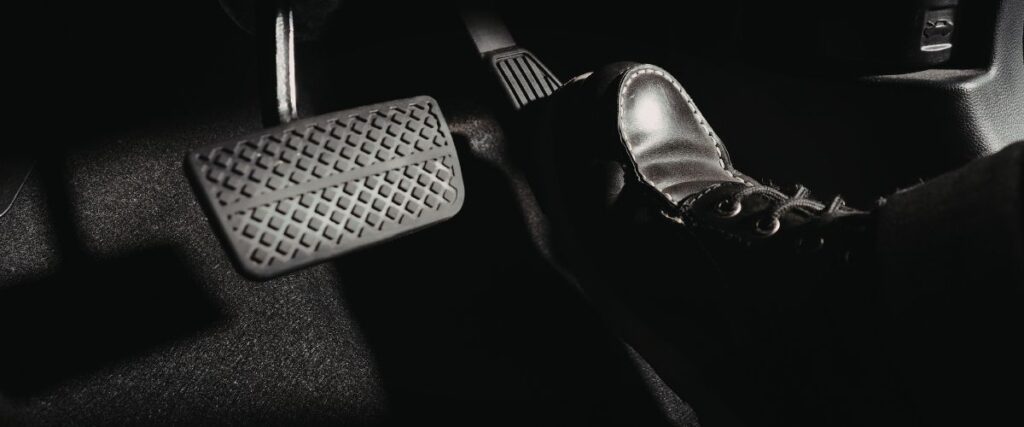
A soft brake pedal often feels like it travels farther than normal when pressed. Instead of stopping firmly halfway down, it may continue to sink closer to the floor before the brakes fully engage. Some drivers describe the feeling as “mushy” or “spongy.”
In mild cases, the car still stops, but it takes more pressure or more distance. In more severe cases, braking performance is reduced significantly, and the car may not stop as quickly as expected.
You may also notice that the pedal feel changes between presses. Sometimes it feels slightly firmer after pumping the brakes, which can be an important clue about the underlying issue.
What causes a soft or spongy brake pedal?
Air in the brake lines
The braking system relies on hydraulic pressure, which requires a sealed system filled with brake fluid. If air enters the brake lines, it compresses when you press the pedal. This reduces the effectiveness of the pressure and creates a soft or spongy feel.
This is one of the most common causes and often occurs after brake work if the system was not properly bled.
Brake fluid leak
If there is a leak in the brake system, fluid pressure cannot be maintained. This can cause the pedal to feel soft and may lead to a gradual loss of braking performance.
Leaks can occur in brake lines, hoses, calipers, or the master cylinder. In many cases, you may notice fluid under the car or a drop in brake fluid level.
Worn or failing master cylinder
The master cylinder is responsible for generating hydraulic pressure when you press the brake pedal. If it begins to fail internally, it may not maintain consistent pressure. This can cause the pedal to feel soft or slowly sink when held down.
This issue often becomes more noticeable over time and should be addressed quickly.
Old or contaminated brake fluid
Brake fluid absorbs moisture over time. As moisture builds up, the fluid becomes less effective and can lead to a softer pedal feel. In extreme cases, moisture can cause the fluid to boil under heavy braking, further reducing performance.
Flexible or damaged brake hoses
Brake hoses carry fluid under pressure. If they become worn or weakened, they may expand slightly when pressure is applied. This reduces the amount of force reaching the brakes and creates a soft pedal feel.
Improper brake bleeding
If the braking system has recently been serviced and not properly bled, air may still be trapped inside. This can cause a spongy pedal even if all components are otherwise functioning correctly.
How to diagnose the issue yourself
You can often identify clues about the problem by paying attention to how the pedal behaves.
- Notice if the pedal feels soft every time or only occasionally
- Check if pumping the brake pedal makes it feel firmer
- Look for signs of fluid leaks under the car
- Check the brake fluid level in the reservoir
- Pay attention to warning lights on the dashboard
If pumping the brakes temporarily improves firmness, air in the system is a likely cause. If the pedal slowly sinks while held down, the master cylinder may be failing.
How to fix the problem
Bleed the brake system
If air is present in the brake lines, bleeding the system removes it and restores proper pressure. This is often the first step in resolving a spongy pedal.
Repair brake fluid leaks
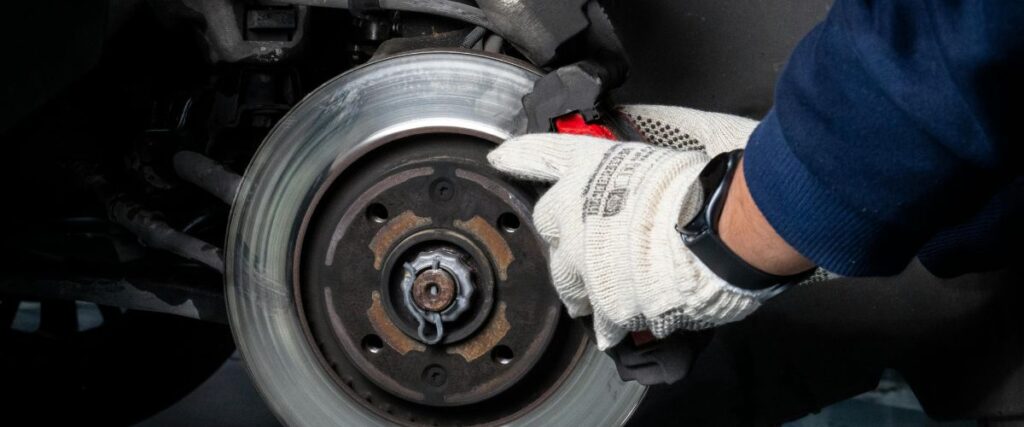
Any leaks in the system must be identified and repaired. This may involve replacing brake lines, hoses, or seals.
Replace the master cylinder
If the master cylinder is failing, it will need to be replaced to restore consistent pressure.
Replace brake fluid
Flushing and replacing old brake fluid can improve performance and prevent future issues.
Replace damaged brake hoses
If hoses are expanding or damaged, replacing them will improve pressure delivery and pedal feel.
How this problem gets worse over time
A soft brake pedal rarely improves on its own. If caused by air or fluid issues, the problem may become more noticeable as pressure continues to drop. If caused by a leak, fluid loss will continue, reducing braking effectiveness further.
Over time, stopping distances may increase, and the car may become less predictable when braking. In severe cases, braking performance can be significantly reduced.
Why this is a safety issue
This is one of the most serious brake-related problems because it directly affects stopping ability. A soft pedal means reduced braking force, which increases stopping distance and reduces control.
In emergency situations, this can make it harder to stop quickly or avoid hazards.
Is it safe to drive?
If the pedal feels slightly soft but the car still stops normally, it may be safe to drive a short distance. However, it should be inspected as soon as possible.
If the pedal feels very soft, sinks to the floor, or braking performance is reduced, the car should not be driven until the issue is fixed.
When to see a mechanic
- The brake pedal feels soft or spongy consistently
- The pedal sinks when held down
- You notice fluid leaks
- Braking performance is reduced
- A warning light appears
Estimated repair cost
- Brake fluid flush: $100 to $200
- Brake bleeding: $80 to $150
- Master cylinder replacement: $200 to $500
- Brake line or hose repair: $150 and up
How to prevent this issue
- Replace brake fluid regularly
- Inspect brake components for leaks
- Ensure proper bleeding after brake work
- Address small issues early
Common mistakes people make
- Ignoring early signs of a soft pedal
- Driving with a known fluid leak
- Skipping brake fluid maintenance
- Assuming the issue will resolve on its own
How this differs from other braking issues
- Soft pedal = pressure or fluid issue
- Pulsation = uneven rotor surface
- Pulling = uneven braking force
- Grinding = worn brake pads
Quick summary
- A soft brake pedal indicates a loss of pressure in the system
- Air in lines and fluid issues are common causes
- The problem can worsen quickly if ignored
- Fixing early restores safe braking performance