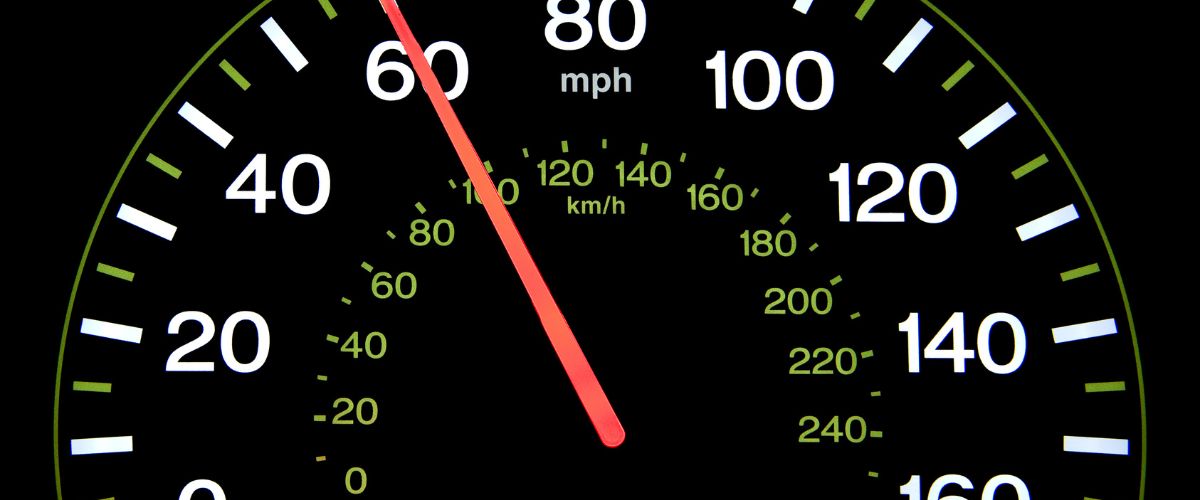
Car Shakes at 60 MPH: Causes and Fixes
If your car shakes at 60 mph, it is one of the most common and noticeable driving issues. Many drivers report that their car feels completely normal at lower speeds, then suddenly starts vibrating right around 55 to 65 mph. This very specific speed range is a strong clue that the issue is related to rotating components such as tires, wheels, or alignment.
This type of vibration is usually not random. It often happens because the car hits a speed where small imbalances become much more noticeable. What feels fine at 40 mph can turn into a steady shake at 60 mph due to how the wheels rotate and interact with the road.
The good news is that most causes of this issue are straightforward and can be fixed without major repairs. The key is identifying whether the problem is coming from the tires, wheels, suspension, or another part of the vehicle.
What this problem usually feels like
When a car shakes at 60 mph, the vibration is often felt through the steering wheel, but it can also be felt through the seat or floor of the car. Some drivers describe it as a constant vibration, while others feel a rhythmic wobble that comes and goes.
The shaking may stay consistent at that speed or become slightly stronger as you go faster. In many cases, it disappears when you slow down, which is an important clue for diagnosing the issue.
If the steering wheel is shaking, the problem is usually coming from the front wheels. If the vibration is felt more through the seat, it may be coming from the rear wheels or suspension.
What causes a car to shake at 60 mph?
Unbalanced tires
This is the most common cause. Tires need to be balanced so that weight is evenly distributed. If a tire is slightly heavier on one side, it will create a wobble as it spins. At around 60 mph, this wobble becomes much more noticeable.
Even a small imbalance can cause a significant vibration at highway speeds.
Uneven tire wear
If tires wear unevenly, they may not make consistent contact with the road. This can cause a bouncing or shaking effect that becomes more noticeable at certain speeds.
Uneven wear is often caused by poor alignment, improper tire pressure, or lack of rotation.
Bent wheels
Hitting potholes or curbs can bend a wheel. Even a slight bend can cause vibration at specific speeds, especially around 60 mph.
Wheel alignment issues
If your wheels are not aligned properly, they may pull slightly in different directions. This can lead to uneven tire wear and vibration over time.
Worn suspension components
Parts such as control arms, bushings, and shocks help keep the car stable. When they wear out, they can allow extra movement that shows up as vibration at highway speeds.
Brake rotor issues
While brake problems usually show up when braking, severely warped rotors can sometimes cause vibration even when driving at speed.
Loose or damaged wheel components
If wheel bolts are loose or components are worn, the wheel may not rotate smoothly. This can create vibration that becomes noticeable at certain speeds.
Why the shaking happens at 60 mph specifically
Many drivers wonder why the vibration appears at a specific speed. This happens because rotating parts like tires and wheels have natural frequency ranges. At certain speeds, small imbalances line up with that frequency and create noticeable vibration.
Below that speed, the imbalance is not strong enough to feel. Above that speed, the vibration may change or spread out. This is why 60 mph is such a common point where drivers first notice the issue.
This also explains why the vibration may seem to come and go depending on how fast you are driving.
How to diagnose the issue yourself
You can narrow down the cause by paying attention to how and where the vibration occurs.
- Notice if the shaking starts around a specific speed
- Check whether it disappears when slowing down
- Look at your tires for uneven wear or damage
- Pay attention to whether the steering wheel is shaking
- Think about recent impacts like potholes or curbs
If the vibration is strongest at one specific speed and fades outside that range, tire balance is the most likely cause.

How to fix the problem
Balance your tires
This is usually the first step. A tire shop can rebalance your wheels quickly, and this often fixes the problem immediately.
Rotate or replace tires
If tires are worn unevenly, rotating them may help temporarily. In more severe cases, replacement is needed.
Repair or replace bent wheels
If a wheel is bent, it must be repaired or replaced to eliminate vibration.
Get a wheel alignment
An alignment ensures all wheels are properly positioned, which helps prevent uneven wear and vibration.
Inspect suspension components
If the issue continues after balancing and alignment, worn suspension parts should be checked and replaced if needed.
How this problem gets worse over time
Shaking at 60 mph rarely stays the same. Over time, the vibration can become stronger and more noticeable. Unbalanced tires can wear unevenly, making the issue worse.
Suspension components may also experience additional stress, leading to more wear and higher repair costs. If the problem is caused by a bent wheel or damaged tire, continued driving can make the damage worse.
Fixing the issue early helps prevent additional problems and keeps the car driving smoothly.
Why this is a safety issue
At first, this may feel like a comfort issue, but it can become a safety concern. Vibration can affect steering control, especially at higher speeds.
If the problem is caused by worn or loose components, there is also a risk of further mechanical failure. This is why it is important to address the issue as soon as possible.
Is it safe to drive?
If the vibration is mild, the car may still be drivable for a short time. However, it should not be ignored. If the shaking becomes stronger or affects control, the car should be inspected immediately.
When to see a mechanic
- The vibration gets worse over time
- The steering wheel shakes strongly
- You notice uneven tire wear
- The car pulls to one side
- The vibration happens at multiple speeds
Estimated repair cost
- Tire balancing: $20 to $80
- Wheel alignment: $100 to $200
- New tires: $400 to $1,000+
- Wheel repair: $100 to $300
- Suspension repair: $200 and up
How to prevent this issue
- Balance your tires regularly
- Rotate tires every 5,000 to 7,000 miles
- Avoid potholes and road damage
- Maintain proper tire pressure
- Get alignments as recommended
Common mistakes people make
- Ignoring small vibrations
- Assuming it will go away on its own
- Replacing tires without balancing them
- Delaying inspection and repairs
How this differs from other shaking issues
Shaking at 60 mph is usually tied to wheel rotation rather than braking or engine performance.
- 60 mph vibration = tire or wheel issue
- Braking vibration = rotor issue
- Idle shaking = engine issue
- Acceleration shaking = drivetrain or engine issue
Quick summary
- Unbalanced tires are the most common cause
- The issue often appears at a specific speed
- Tires, wheels, and suspension are key areas to check
- Fixing early prevents bigger repairs