Steering Wheel Vibration at High Speed: Causes and Fixes

If your steering wheel starts vibrating at high speed, it is usually a sign that something is not rotating smoothly. This is one of the most common highway driving issues, and while it may feel minor at first, it almost always points to a problem that will get worse over time.
Most drivers notice the issue between 50 and 70 mph. The car feels completely normal at low speeds, then suddenly the steering wheel begins to shake or wobble as speed increases. In some cases, the vibration stays consistent. In others, it comes and goes depending on speed or road conditions.
The good news is that this problem is often easy to diagnose and fix. The key is understanding what is causing the vibration so you can address it early before it leads to uneven tire wear, suspension damage, or reduced control of the vehicle.
What this problem usually feels like
Steering wheel vibration at high speed is very specific compared to other car issues. The vibration is usually felt directly in the steering wheel, not the brake pedal or the seat. It often starts as a light shaking that becomes stronger the faster you drive.
Some drivers describe it as a steady vibration, while others notice a pulsing or wobbling sensation. You may feel the steering wheel moving slightly side to side in your hands, especially on smooth highway roads where the vibration stands out more clearly.
One key detail is that the vibration typically disappears when you slow down. If the shaking only happens at higher speeds and goes away at lower speeds, that strongly points to tire, wheel, or alignment issues rather than braking problems.
In more severe cases, the vibration can make the car feel unstable or harder to control, especially during lane changes or long highway drives.
What causes steering wheel vibration at high speed?
Unbalanced tires
This is the most common cause. Tires need to be balanced so that weight is evenly distributed around the wheel. If one part of the tire is heavier than the rest, it creates a wobble as the tire spins. At low speeds, you may not notice it. At high speeds, that imbalance becomes very noticeable and shows up as steering wheel vibration.
Uneven tire wear
Tires that wear unevenly can create inconsistent contact with the road. This leads to a shaking or bouncing effect at higher speeds. Uneven wear is often caused by poor alignment, lack of tire rotation, or incorrect tire pressure.
Bent or damaged wheels
Hitting potholes, curbs, or road debris can bend a wheel. Even a small bend can cause the wheel to spin unevenly. This creates vibration that becomes stronger the faster you drive.
Wheel alignment issues
If your wheels are not aligned properly, they are not pointing in the same direction. This can cause the car to pull slightly and lead to uneven tire wear. Over time, this results in vibration, especially at highway speeds.
Worn suspension components
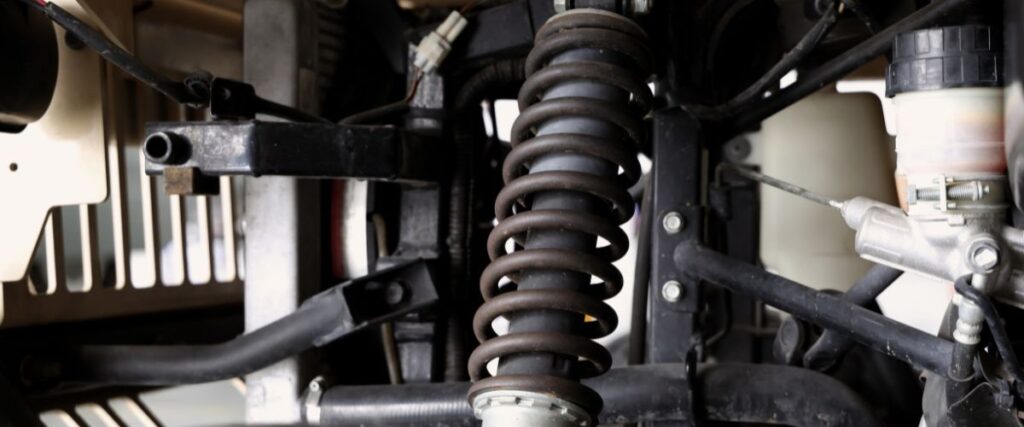
Your suspension system keeps the car stable and absorbs road impact. Parts like control arms, bushings, and tie rods can wear out over time. When they do, they allow extra movement in the wheels, which can show up as vibration at higher speeds.
Loose or worn steering components
If parts of the steering system are loose or worn, they may not hold the wheels steady. This can create a shaky or unstable feeling in the steering wheel.
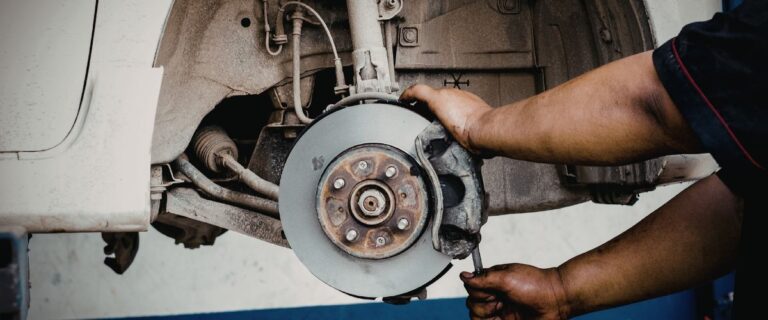
Brake rotor issues
Brake problems usually show up when braking, but severely warped rotors can sometimes cause vibration even when driving at speed. This is less common but still possible.
How to diagnose the issue yourself
You can often narrow down the cause without tools just by paying attention to how the car behaves.
- Notice the speed where the vibration starts
- Check if the vibration disappears when slowing down
- Look at your tires for uneven wear patterns
- Pay attention to whether the car pulls left or right
- Think about recent potholes or curb impacts
- See if the vibration changes on different road surfaces
If the vibration only happens at high speeds and not during braking, the issue is most likely related to tires, wheels, or alignment.
How to fix the problem
Balance your tires
This is usually the first and easiest fix. A tire shop can rebalance your tires quickly. This solves most high-speed vibration issues.
Rotate or replace tires
If your tires are unevenly worn, rotating them may help temporarily. If the wear is severe, replacement is the better option.
Repair or replace damaged wheels
If a wheel is bent, it will need to be repaired or replaced. Driving on a damaged wheel will continue to cause vibration.
Get a wheel alignment
An alignment ensures all four wheels are properly positioned. This helps eliminate vibration and prevents future tire wear problems.
Inspect suspension and steering components
If the problem continues after balancing and alignment, worn suspension or steering parts may need to be replaced.
How this problem gets worse over time
High-speed vibration rarely stays the same. What starts as a small shake can turn into a more serious issue if ignored.
Unbalanced tires will continue to wear unevenly. This makes the vibration stronger and shortens the life of the tires. Over time, this can also put extra stress on suspension components and steering parts.
If the issue is caused by alignment or suspension problems, the damage can spread. Tires wear faster, handling becomes less stable, and repair costs increase.
The longer you wait, the more parts are affected. Fixing the issue early is almost always cheaper and easier.
Why this is a safety issue
At first, steering wheel vibration may feel like a comfort issue. Over time, it becomes a safety concern.
Vibration can reduce your ability to control the car, especially at high speeds. It can also make it harder to steer precisely, which matters during lane changes or sudden movements.
If the vibration is caused by worn or loose components, there is also a risk of further mechanical failure. This is why the issue should not be ignored.
Is it safe to drive?
If the vibration is mild and only happens at certain speeds, the car may still be drivable for a short time. However, it should not be ignored.
If the shaking becomes stronger, happens at multiple speeds, or affects steering control, the car should be inspected as soon as possible.
Driving long distances with this issue can make the problem worse and increase repair costs.
When to see a mechanic
- The vibration gets stronger over time
- The steering wheel feels loose or unstable
- The car pulls to one side
- You notice uneven tire wear
- The vibration happens at more than one speed
Estimated repair cost
- Tire balancing: $20 to $80
- Wheel alignment: $100 to $200
- New tires: $400 to $1,000+
- Wheel repair: $100 to $300
- Suspension repair: $200 and up
How to prevent this issue
- Balance your tires regularly
- Rotate tires every 5,000 to 7,000 miles
- Avoid potholes and curbs when possible
- Keep tires properly inflated
- Get alignments as recommended
Common mistakes people make
- Ignoring small vibrations until they get worse
- Replacing tires without balancing them
- Assuming it is a brake issue when it is not
- Waiting too long and damaging other parts
Quick summary
- Unbalanced tires are the most common cause
- The issue appears at higher speeds
- Tires, wheels, and suspension are key areas to check
- Fixing it early prevents bigger repairs