Car Feels Sluggish When Driving: Causes and Fixes
If your car feels sluggish when driving, it means the engine is not responding with the power and acceleration you expect. Instead of moving smoothly and efficiently, the vehicle may feel slow, heavy, or unresponsive when you press the gas pedal. This can make everyday driving frustrating and, in some cases, unsafe.
Sluggish performance often develops gradually. At first, you may barely notice it. Over time, the car may take longer to accelerate, struggle on hills, or feel less responsive in traffic. In some cases, the engine may sound normal but fail to deliver the expected performance.
This issue is usually related to fuel delivery, airflow, ignition, or transmission efficiency. Identifying the cause early can restore performance and prevent further damage.
What this problem usually feels like
When you press the gas pedal, the car responds slowly. It may take longer than usual to reach speed, especially when merging onto highways or overtaking other vehicles.
The engine may rev higher than expected without a corresponding increase in speed. In some cases, the car may feel like it is working harder than usual but not producing enough power.
You may also notice reduced fuel efficiency or a lack of responsiveness when accelerating from a stop.

What causes a car to feel sluggish when driving?
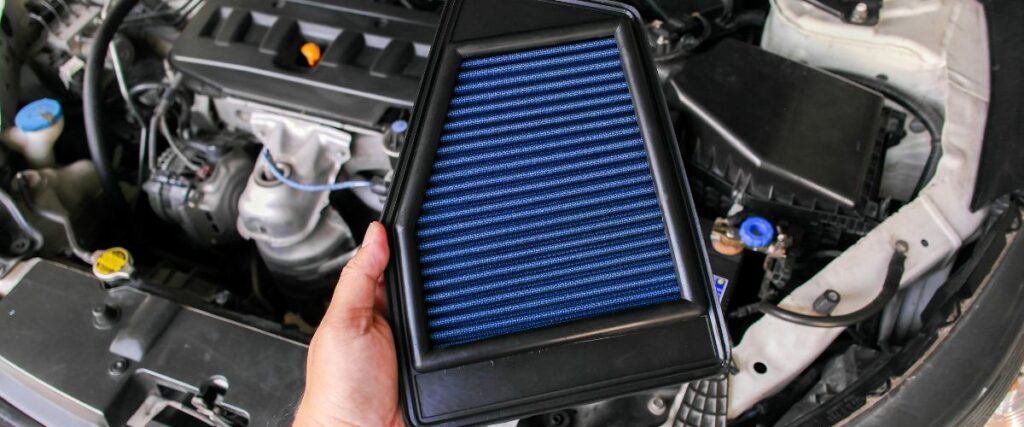
Clogged air filter
The engine needs a steady supply of clean air to function properly. A clogged air filter restricts airflow, reducing engine efficiency and performance.
This is one of the simplest and most common causes of sluggish performance.
Dirty fuel injectors
Fuel injectors deliver fuel into the engine. If they are dirty or clogged, they may not provide enough fuel, leading to reduced power.
Weak fuel pump
The fuel pump supplies fuel from the tank to the engine. If it is not delivering enough fuel, especially under load, the engine may feel weak and sluggish.
Faulty mass airflow sensor
The mass airflow sensor helps regulate the air-fuel mixture. If it is malfunctioning, the engine may not receive the correct mixture, reducing performance.
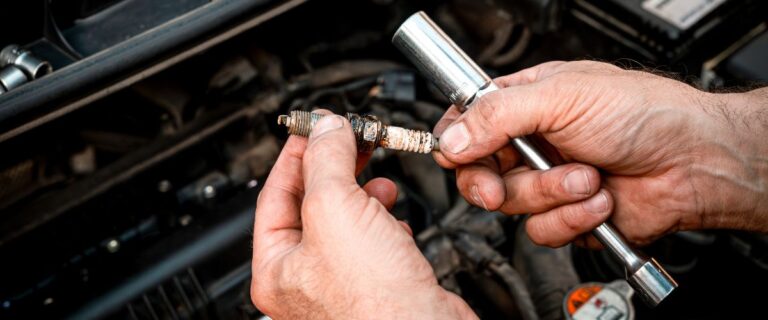
Worn spark plugs
Spark plugs ignite the fuel-air mixture. If they are worn, combustion may be less efficient, resulting in reduced power.
Clogged catalytic converter
The catalytic converter helps filter exhaust gases. If it becomes clogged, it restricts exhaust flow, which reduces engine performance.
Transmission issues
In some cases, the engine is producing power, but the transmission is not transferring it efficiently to the wheels. This can make the car feel sluggish.
How to diagnose the issue yourself
You can identify patterns in the sluggishness to narrow down the cause.
- Notice when the car feels slow, such as during acceleration or uphill driving
- Check if the engine revs higher than normal
- Pay attention to fuel efficiency changes
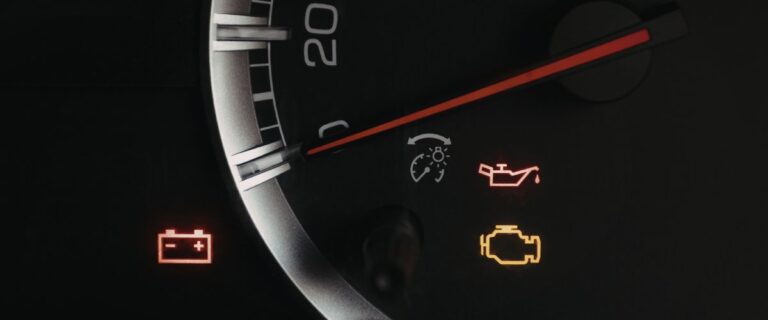
- Look for warning lights on the dashboard
- Think about recent maintenance or fuel quality
If the engine revs but the car does not accelerate, the issue may be transmission-related. If the engine struggles to rev, it is likely related to fuel or airflow.
How to fix the problem
Replace the air filter
A clean air filter improves airflow and engine efficiency.
Clean fuel injectors
Cleaning injectors restores proper fuel delivery.
Replace the fuel pump
If the pump is weak, replacing it ensures adequate fuel supply.
Replace or clean the mass airflow sensor
This helps restore proper air-fuel balance.
Replace spark plugs
New spark plugs improve combustion and performance.
Inspect the catalytic converter
If clogged, replacing it restores exhaust flow and engine power.
How this problem gets worse over time
Sluggish performance often worsens gradually. A partially clogged filter may become fully blocked. A weak fuel pump may fail completely. Over time, the engine may struggle more, and fuel efficiency may decrease.
Ignoring the problem can lead to more serious engine issues and higher repair costs.
Why this is a safety issue
A sluggish car may not respond quickly when needed, such as when merging into traffic or avoiding obstacles. This can increase the risk of accidents.
Reduced performance also makes driving less predictable.
Is it safe to drive?
If the issue is mild, the car may still be drivable. However, it should be inspected soon. If performance continues to decline, it is best to address the issue immediately.
When to see a mechanic
- The car struggles to accelerate
- The issue is getting worse
- Fuel efficiency decreases
- A warning light appears
- The engine feels weak under load
Estimated repair cost
- Air filter replacement: $20 to $50
- Fuel injector cleaning: $100 to $300
- Fuel pump replacement: $300 to $800
- Mass airflow sensor replacement: $100 to $300
- Spark plug replacement: $100 to $300
How to prevent this issue
- Replace air filters regularly
- Use quality fuel
- Maintain ignition components
- Address performance issues early
Common mistakes people make
- Ignoring gradual performance loss
- Skipping maintenance
- Using poor-quality fuel
- Delaying repairs
How this differs from other issues
- Sluggish = reduced overall performance
- Hesitation = delayed response
- Stuttering = uneven power delivery
- Power loss = significant drop in output
Quick summary
- Sluggish performance is caused by airflow, fuel, or ignition issues
- Filters and sensors are common causes
- The issue can worsen over time
- Fixing early restores performance and efficiency