Car Shakes When Driving Uphill: Causes and Fixes
If your car shakes when driving uphill, it usually means the engine or drivetrain is struggling under increased load. Climbing a hill requires more power than normal driving, so any weakness in fuel delivery, ignition, or mechanical components becomes more noticeable. Instead of smooth acceleration, you may feel vibrations, shaking, or a lack of stability as the car works harder.
This issue often appears when accelerating uphill, maintaining speed on an incline, or driving with extra weight in the vehicle. In many cases, the car may feel normal on flat roads but begin to shake as soon as additional power is required.
Understanding what causes this problem helps you identify whether it is a minor issue or something that needs immediate attention.
What this problem usually feels like
When driving uphill, the car may begin to shake or vibrate instead of accelerating smoothly. The shaking may feel like a slight vibration at first, then become more noticeable as the incline increases.
You may also notice reduced power, hesitation, or uneven acceleration. In some cases, the engine may sound strained or louder than usual.
The shaking often disappears when returning to flat ground, which is a key sign that the issue is related to engine load rather than constant driving conditions.

What causes a car to shake when driving uphill?
Engine misfire under load
One of the most common causes is an engine misfire. When the engine is under load, it requires precise ignition timing. Worn spark plugs or faulty ignition coils may fail to ignite the fuel properly, causing uneven power delivery and shaking.
This issue is often more noticeable uphill because the engine is working harder.
Fuel delivery problems
If the engine is not receiving enough fuel, it may struggle under load. A weak fuel pump, clogged fuel filter, or dirty injectors can all contribute to this problem.
When climbing a hill, the engine demands more fuel, making these issues more noticeable.
Dirty or faulty mass airflow sensor
The mass airflow sensor helps regulate the air-fuel mixture. If it provides incorrect readings, the engine may not receive the proper mixture, leading to poor performance and shaking.
Clogged catalytic converter
A clogged catalytic converter restricts exhaust flow, which reduces engine efficiency. This can cause the engine to struggle under load and create shaking during uphill driving.
Worn engine mounts
Engine mounts help stabilize the engine and absorb vibration. If they are worn, the engine may move more under load, causing noticeable shaking.
Transmission issues
If the transmission is not transferring power efficiently, it can create vibration or hesitation when climbing hills.
Drivetrain problems
Components such as the driveshaft or CV joints may cause vibration under load if they are worn or damaged.
How to diagnose the issue yourself
You can identify patterns in the shaking to help determine the cause.
- Notice if the shaking only happens uphill
- Check if it disappears on flat roads
- Pay attention to engine performance and sound
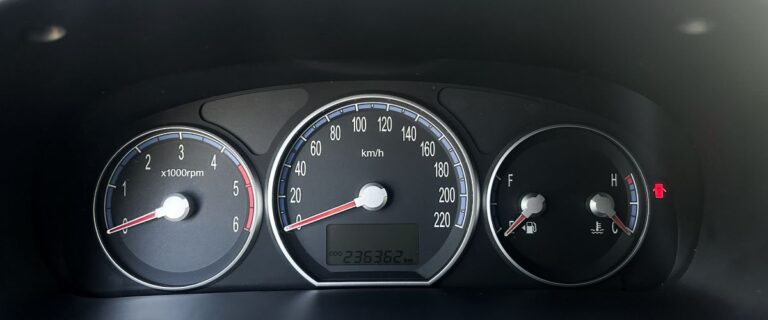
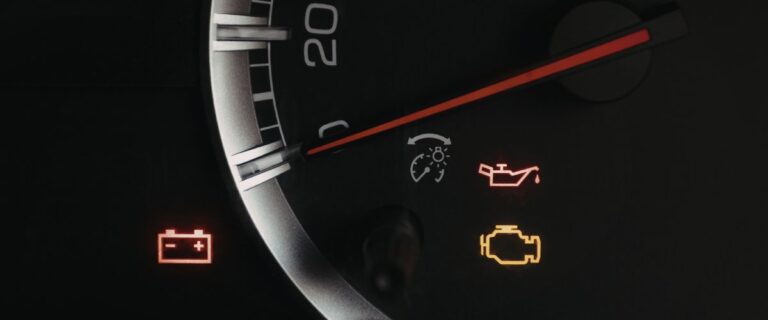
- Look for warning lights on the dashboard
- Consider recent maintenance or fuel quality
If the shaking occurs only under load, it is likely related to fuel, ignition, or engine performance rather than tires or wheels.
How to fix the problem
Replace spark plugs and ignition components
New spark plugs and coils ensure proper combustion and eliminate misfires.
Clean or replace fuel system components
Cleaning injectors and replacing filters improves fuel delivery.
Replace the mass airflow sensor
This restores accurate air-fuel mixture control.
Replace the catalytic converter
If clogged, replacing it restores proper exhaust flow.
Replace engine mounts
New mounts reduce engine movement and vibration.
Inspect transmission and drivetrain
Ensuring smooth power transfer eliminates load-related vibration.

How this problem gets worse over time
Shaking under load often becomes more noticeable as components wear further. Misfires can become more frequent, and fuel delivery issues can worsen.
Over time, the engine may struggle more, and performance may decline. Ignoring the issue can lead to additional damage and higher repair costs.
Why this is a safety issue
Shaking during uphill driving can reduce control and performance. It may make it harder to maintain speed or respond to traffic conditions.
In some cases, it can indicate a problem that may lead to engine failure if left untreated.
Is it safe to drive?
If the shaking is mild, the car may still be drivable for short distances. However, it should be inspected soon. If the shaking is severe or worsening, it is best to avoid driving until the issue is fixed.
When to see a mechanic
- The shaking is strong or increasing
- The car struggles uphill
- You notice loss of power
- A warning light appears
- The engine feels unstable
Estimated repair cost
- Spark plug replacement: $100 to $300
- Fuel system cleaning: $100 to $300
- Mass airflow sensor replacement: $100 to $300
- Catalytic converter replacement: $500 to $2000
- Engine mount replacement: $200 to $600
How to prevent this issue
- Maintain ignition components
- Use quality fuel
- Replace filters regularly
- Address performance issues early
Common mistakes people make
- Ignoring shaking under load
- Assuming it is normal
- Delaying repairs
- Overlooking fuel system maintenance
How this differs from other issues
- Uphill shaking = load-related engine issue
- Flat-road vibration = tire or wheel issue
- Braking vibration = brake system issue
- Acceleration hesitation = delayed response
Quick summary
- Shaking uphill is caused by engine or fuel issues under load
- Misfires and fuel delivery are common causes
- The issue can worsen over time
- Fixing early improves performance and safety