Car Shakes When Braking at Low Speed: Causes and Fixes
If your car shakes when braking at low speed, there is usually a problem somewhere in the braking system, tires, wheels, or suspension. This is one of the more common complaints drivers notice because it is easy to feel through the brake pedal, steering wheel, or even the seat. In many cases, the issue starts subtly. You may only notice it when slowing down for a stop sign, easing into a parking spot, or coming off a neighborhood street. Over time, though, that small vibration can become stronger and harder to ignore.
The good news is that this problem is often very fixable. The most common causes are worn brake parts, warped rotors, uneven tire wear, or components that are no longer holding everything steady the way they should. The key is figuring out what is actually causing the shaking before it gets worse. Catching it early can save money, protect other parts of the car, and make driving safer.
What this problem usually feels like
When a car shakes during low-speed braking, the vibration can show up in different ways. Some drivers feel a pulsing through the brake pedal. Others notice the steering wheel wobbling slightly as the car slows down. Sometimes the whole front end feels rough for a moment, especially when coming to a gentle stop.
The important detail is that the shaking happens during braking, not all the time. If your car rides smoothly while cruising but starts vibrating as soon as you apply the brakes, that points much more directly to the braking system. If the car shakes even when you are not braking, then the issue may be broader and could involve the tires, alignment, or suspension.
At low speeds, this type of vibration can feel less dramatic than it does at highway speeds, but it is still a sign that something is off. Low-speed braking shake may happen when you are stopping in traffic, pulling into a driveway, or slowing in a parking lot. Even though it can feel minor, it is still worth investigating.
What causes a car to shake when braking at low speed?
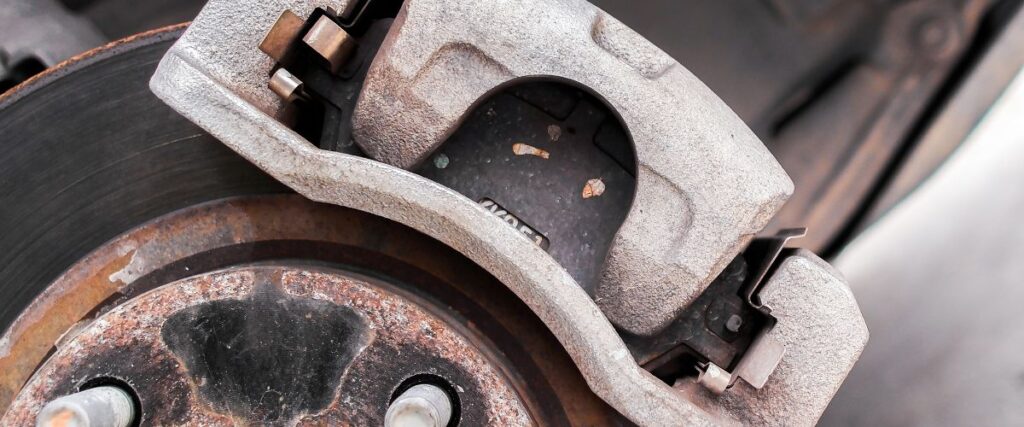
Warped or uneven brake rotors
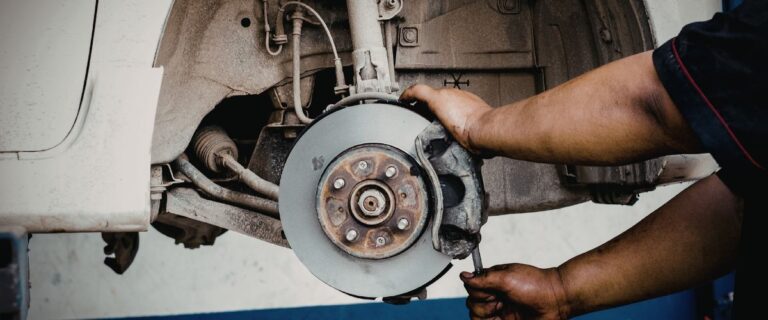
This is one of the most common causes. Brake rotors are the metal discs your brake pads clamp onto when you slow down. Over time, heat, wear, and uneven pad contact can create high and low spots on the rotor surface. Even if the rotor is not dramatically bent, any unevenness can create a pulsing sensation when the pads press against it.
At low speeds, you may feel that as a light shake or vibration rather than a violent wobble. The pedal may pulse slightly under your foot, and the steering wheel may move just enough to get your attention. If the rotor surface is no longer smooth, braking will not feel smooth either.
Worn or uneven brake pads
Brake pads wear down with normal use, but they do not always wear evenly. If one pad is thinner than the other, or if a pad has developed an uneven contact pattern, braking can feel rough. In some cases, the pads may also be made of material that has transferred unevenly onto the rotor, which can create the same sort of vibration drivers often blame on warped rotors.
Uneven brake pad wear can happen because of normal age, poor quality parts, driving habits, or a brake caliper that is not moving freely.
Brake caliper problems
A sticking brake caliper can cause one brake pad to drag or apply uneven pressure. That means one side of the rotor may be doing more work than the other. Over time, that can lead to heat buildup, uneven wear, and shaking when braking.
If a caliper is the cause, you might also notice the car pulling slightly to one side, a burning smell after driving, or one wheel looking dustier than the others. Caliper problems can start small and become much more expensive if they are ignored.
Tire or wheel issues
Although tire balance problems are often more obvious at higher speeds, worn tires or bent wheels can still contribute to low-speed braking vibrations. If a tire has uneven wear, a flat spot, or an internal issue, braking may make the instability more noticeable. The same goes for a wheel that is slightly bent.
If the car already has a minor tire or wheel problem, braking can shift weight forward and make that problem easier to feel. That does not always mean the brakes are innocent, but it does mean the tires and wheels should be part of the inspection.
Loose or worn suspension components
Your suspension is designed to keep the car stable and the wheels planted properly on the road. If parts such as control arm bushings, tie rods, ball joints, or struts are worn, the front end may react more dramatically during braking. A small issue in the brake system can feel larger when the suspension is no longer holding things tightly.
In this case, the brakes may not be the only problem. The suspension may be amplifying the vibration and making the car feel rougher during stops.
Wheel alignment issues
Poor alignment does not usually cause a direct brake shake by itself, but it can contribute to uneven tire wear and unstable braking feel. If your car already pulls slightly or the steering feels off-center, braking may exaggerate the problem.
How to diagnose the issue yourself
You may not be able to confirm the exact mechanical fault from your driveway, but you can narrow it down quite a bit before taking the car in. That helps you explain the problem more clearly and makes it easier to spot patterns.
- Notice whether the shaking only happens during braking
- Pay attention to whether you feel it more in the steering wheel, brake pedal, or whole car
- Listen for grinding, squealing, scraping, or clicking noises
- Check whether the car pulls left or right while braking
- Look at your tires for uneven wear, cupping, or obvious damage
- Think about whether the issue started after brake work, tire replacement, or hitting a pothole
- Notice whether the shake is worse after longer drives or repeated stops
If you feel most of the vibration through the pedal, that often points toward the rotors or brake pads. If you feel it mainly through the steering wheel, the issue may involve the front brakes, front suspension, wheel balance, or alignment. If the whole car feels unstable, there may be more than one factor involved.
Signs the brakes are the real issue
Because many different parts can create vibration, it helps to know the signs that point more specifically to the brakes.
- The shaking starts the moment you press the brake pedal
- The brake pedal pulses rhythmically
- The issue gets stronger during repeated braking
- You hear brake noise at the same time as the shake
- The car recently had brake work and the vibration started after that
When these signs are present, the rotors, pads, or calipers move much higher on the list of likely causes.
How to fix the problem
Replace or resurface the brake rotors
If the rotors are uneven, worn, or heat-damaged, they need attention. Some rotors can be resurfaced if they still have enough thickness left, but many modern vehicles do better with replacement, especially if the rotors are already fairly worn. If the rotor surface is not smooth, braking will continue to feel rough no matter what else you do.
Replace worn brake pads
If the brake pads are thin, uneven, glazed, or contaminated, replacing them is often part of the solution. In most cases, pads and rotors should be evaluated together. Replacing one without considering the condition of the other can leave you with the same vibration coming back sooner than expected.
Inspect and service brake calipers
If a caliper is sticking, simply replacing pads and rotors may not fully solve the problem. The caliper needs to move freely and apply even pressure. Depending on the situation, the fix could involve lubricating slide pins, replacing worn hardware, rebuilding the caliper, or installing a new one.
Check tires and wheel balance
If your tires are worn unevenly or the wheels are out of balance, the braking shake may partly come from there. A shop can rebalance the wheels, inspect for bent rims, and tell you whether tire replacement is needed. If the tires are badly worn, fixing only the brakes may still leave the car feeling off.
Inspect suspension and steering components
If the front end has looseness in the bushings, tie rods, ball joints, or struts, those parts need to be addressed. Suspension wear can make the whole car feel unstable during braking. If you fix the brakes but leave worn front-end parts in place, the car may still shake or feel sloppy when stopping.
Get an alignment if needed
If uneven tire wear or steering pull is part of the problem, an alignment may be necessary after other repairs are complete. Alignment is usually not the main cause of brake shake, but it can be part of the overall fix.
What happens if you ignore this problem
Ignoring a shake during braking can make a small repair turn into a larger one. Uneven rotors can wear out brake pads faster. A sticking caliper can overheat one side of the brake system and damage pads, rotors, and hardware. Worn suspension parts can place extra stress on nearby components and make braking feel less controlled.
More importantly, braking performance can gradually get worse. The car may take longer to stop smoothly, may feel unstable in traffic, or may begin pulling to one side. Even if it still technically stops, it is not something you want to leave alone for long.
Minor vibration tends to become major vibration when the underlying cause is ignored. What could have been a rotor and pad job can turn into caliper replacement, tire wear, and suspension repairs if it goes on too long.
Is it safe to drive?
If the shaking is mild, the car may still be drivable for a short period, especially if braking performance feels normal otherwise. But safe enough to drive a little is not the same as fine to ignore. If the vibration is increasing, the pedal pulses strongly, the steering wheel shakes heavily, or the car does not feel stable while stopping, it should be inspected as soon as possible.
If you hear grinding, smell something burning, or notice the car pulling hard during braking, treat that as more urgent. Those signs suggest more than a light nuisance vibration.
When to see a mechanic
- The shaking gets worse quickly
- The brake pedal pulses hard
- You hear grinding, squealing, or scraping sounds
- The car pulls to one side when braking
- You smell burning from a wheel area
- The steering feels loose or unstable
- The issue started right after brake service and did not go away
If any of these are happening, it is worth getting a proper inspection instead of guessing. Brake vibrations often have more than one cause, and a mechanic can tell whether the issue is strictly brake-related or if the tires and suspension are part of it too.
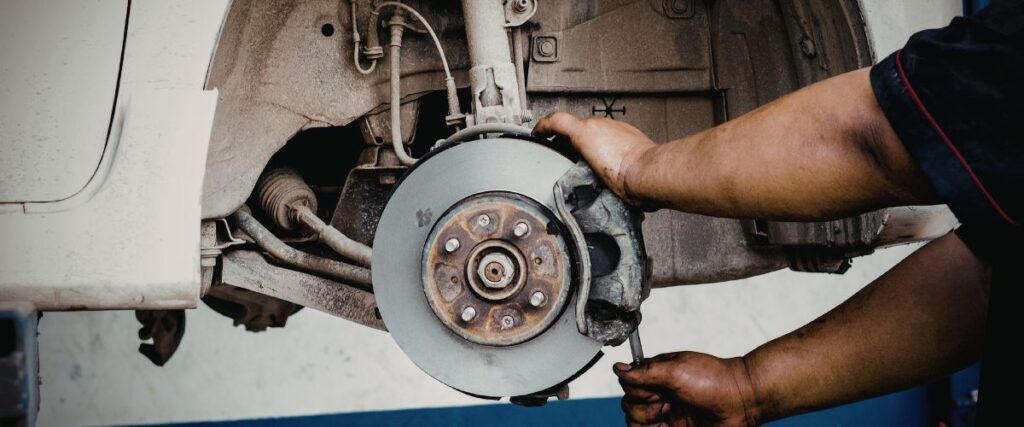
Estimated repair cost
The exact cost depends on the vehicle, parts quality, and labor rates in your area, but these are reasonable ballpark ranges for the most common fixes:
- Brake pads: $100 to $300
- Brake rotors: $200 to $600
- Brake caliper repair or replacement: $150 to $500
- Wheel balancing: $50 to $100
- Tire replacement: $100 to $400 per tire
- Suspension repairs: $300 and up
- Wheel alignment: $75 to $200
If the issue is caught early, the final bill is often lower. Once heat, uneven wear, and vibration start affecting multiple parts, the cost rises quickly.
How to prevent this issue
- Avoid repeated hard braking whenever possible
- Replace brake pads before they are fully worn out
- Have the brake system inspected during routine maintenance
- Rotate and balance your tires regularly
- Address pulling, noise, or vibration early instead of waiting
- Use quality brake parts when repairs are done
- Pay attention after driving through deep water or after long downhill braking, since both can stress the brake system
Most brake shake problems do not come out of nowhere. They usually develop gradually as parts wear, heat cycles build up, or small issues go uncorrected. Paying attention to early warning signs makes a big difference.
Common questions drivers ask
Can bad tires make it feel like the brakes are shaking?
Yes. Bad tires, uneven wear, or bent wheels can create vibrations that become more noticeable during braking. Even if the brakes are the main problem, the tires can make the symptoms feel worse.
Can new brakes still cause shaking?
Yes, if the rotors were not replaced, the installation was uneven, the calipers are sticking, or the wheel lug nuts were tightened improperly. Shaking after brake service is a sign something should be checked.
Does low-speed braking shake mean the rotors are definitely warped?
No. Rotors are a common cause, but not the only cause. Pads, calipers, tires, wheels, and suspension can also play a role.
Why is it worse some days than others?
Brake-related vibrations can change with temperature, driving conditions, and how much the brakes have been used. Heat can make uneven rotors or sticky calipers more noticeable.
Quick summary
- Brake rotors are one of the most common causes of low-speed braking shake
- Brake pads, calipers, tires, and suspension can also contribute
- If the vibration only happens during braking, the brake system moves higher on the list of likely causes
- Ignoring it can lead to worse brake wear, more instability, and higher repair costs
- It may still be drivable short term, but it should not be ignored