Car Pulsates When Braking: Causes and Fixes
If your car pulsates when braking, it usually means the braking system is not applying pressure evenly across the rotors. Instead of a smooth, consistent stop, you feel a rhythmic grabbing or releasing sensation as the car slows down. This issue is very common and often becomes more noticeable over time, especially when braking from higher speeds.
Many drivers first notice this when coming off the highway or slowing down from 50 to 70 mph. At lower speeds, the pulsation may feel less noticeable or disappear entirely. That change in behavior is one of the biggest clues to what is causing the issue.
While your car may still stop, pulsating brakes are a clear warning sign that something in the braking system is wearing unevenly or no longer functioning properly. Addressing the issue early can prevent further damage and keep your braking performance consistent and safe.
What this problem usually feels like
Pulsation during braking feels like a repeated grabbing sensation as you press the brake pedal. Instead of a smooth deceleration, the car slows in small waves. Some drivers describe it as a vibration, while others feel it more as a forward and backward pulsing motion.
The sensation is often strongest at higher speeds. As you slow down, the pulsation may fade or disappear. In some cases, you may also feel the brake pedal moving slightly under your foot, or the steering wheel may shake at the same time.
If the issue is left untreated, the pulsation usually becomes stronger and more noticeable. What starts as a mild annoyance can turn into a more aggressive shaking that affects your ability to brake smoothly.
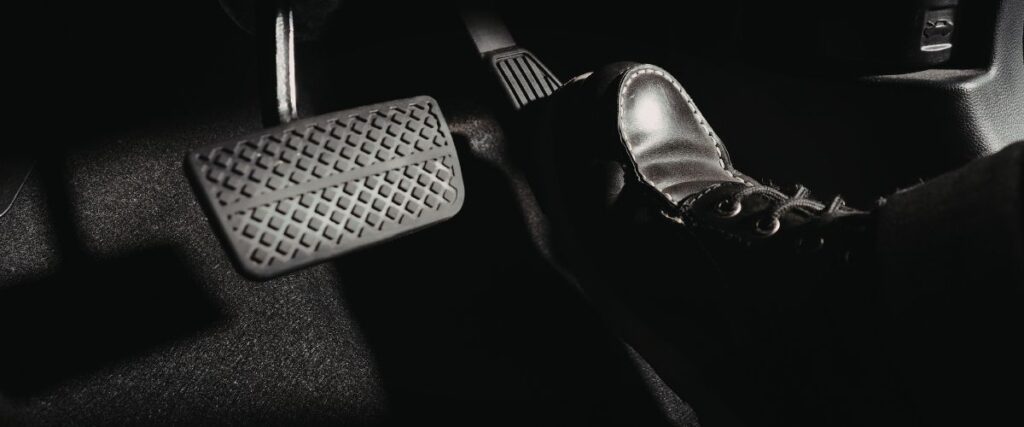
What causes a car to pulsate when braking?
Warped brake rotors
The most common cause of pulsating brakes is uneven or warped brake rotors. Rotors are designed to be flat and smooth, but over time, heat and wear can cause slight variations in thickness. When brake pads press against these uneven surfaces, they create a pulsing sensation.
Hard braking, especially repeated braking from high speeds, can generate enough heat to cause this type of wear. Over time, those small imperfections become more noticeable.
Uneven brake pad deposits
Sometimes the issue is not actual warping, but uneven buildup of brake pad material on the rotor surface. This often happens when the brakes get very hot and the car is held still, such as at a traffic light after aggressive braking.
This creates high and low spots on the rotor, which leads to inconsistent contact and pulsation.
Worn or uneven brake pads
Brake pads that wear unevenly can apply inconsistent pressure across the rotor surface. This can create the same pulsing effect as warped rotors, especially if the pads are nearing the end of their lifespan.
Brake caliper issues
If a brake caliper is sticking or not applying pressure evenly, it can cause uneven braking force. This may contribute to pulsation or make an existing issue more noticeable.
Wheel or suspension factors
While less common, worn suspension components or wheel issues can amplify braking irregularities. However, these problems usually also show symptoms while driving, not just braking.
How to diagnose the issue yourself
You can often narrow down the cause without tools by paying attention to how the car behaves.
- Notice if the pulsation only happens when braking
- Check if it is stronger at higher speeds
- Feel whether the brake pedal moves under your foot
- Pay attention to whether the steering wheel also shakes
- Listen for any grinding or scraping noises
If the pulsation is speed-dependent and only happens when braking, brake rotors are the most likely cause.
How to fix the problem
Replace brake rotors
Replacing the rotors is the most effective and long-lasting solution. New rotors provide a smooth surface for the brake pads, eliminating the pulsation.
Resurface rotors
In some cases, rotors can be resurfaced to remove uneven areas. However, this is often a temporary fix and may not last as long as replacement.
Replace brake pads
Brake pads should typically be replaced along with rotors to ensure even contact and prevent the issue from returning.
Inspect calipers and hardware
If the problem persists, calipers and other braking components should be checked for proper operation.
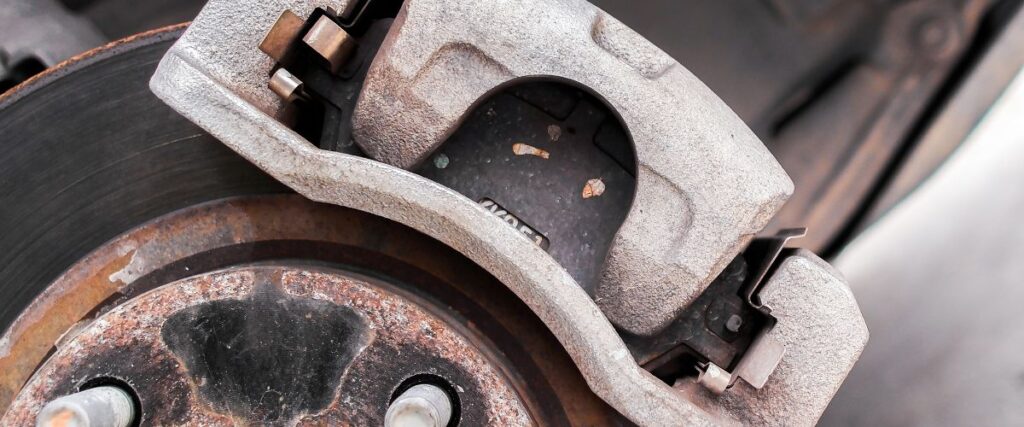
How this problem gets worse over time
Pulsating brakes rarely stay the same. As the rotor surface becomes more uneven, the pulsing becomes stronger and more noticeable. Brake pads may also wear unevenly, which further increases the problem.
Over time, this can reduce braking efficiency and increase stopping distances. The longer the issue is ignored, the more likely it is that additional components will be affected.
Why this is a safety issue
Even if your car still stops, uneven braking reduces control and consistency. In emergency situations, smooth braking is critical. Pulsation can make it harder to apply steady pressure, which can impact stopping performance.
This is especially important at higher speeds, where even small inconsistencies in braking can have a larger effect.
Is it safe to drive?
If the pulsation is mild, the car may still be drivable for a short time. However, it should not be ignored. If the issue becomes stronger or affects steering or braking control, the car should be inspected as soon as possible.
When to see a mechanic
- The pulsation is getting worse
- The steering wheel shakes while braking
- You hear grinding or scraping sounds
- Braking feels inconsistent or less effective
- The issue does not improve over time
Estimated repair cost
- Brake rotors: $200 to $600
- Brake pads: $100 to $300
- Full brake service: $300 to $900
How to prevent this issue
- Avoid repeated hard braking whenever possible
- Do not hold the brakes after aggressive stops
- Replace brake pads before they are fully worn
- Have your braking system inspected regularly
Common mistakes people make
- Ignoring early signs of pulsation
- Replacing brake pads without replacing rotors
- Assuming the issue is tire-related
- Waiting too long and causing more damage
How this differs from other braking problems
- Pulsation = uneven rotor surface
- Vibration in steering wheel = front wheel or suspension issue
- Grinding noise = worn brake pads
- Soft pedal = brake fluid or pressure issue
Quick summary
- Pulsating brakes are usually caused by uneven rotors
- The issue is most noticeable at higher speeds
- Replacing rotors and pads is the most common fix
- Fixing early prevents more expensive repairs